
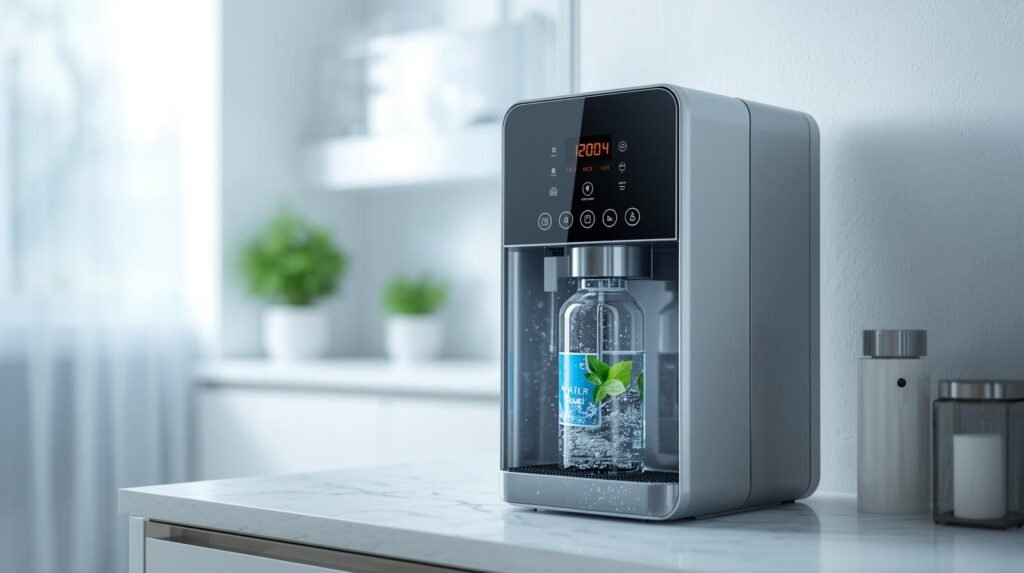
Are you worried about the quality of drinking water in your home? With increasing contamination in tap, borewell, and tanker water, choosing the right water purifier for home has become more important than ever. From high TDS levels to harmful bacteria and chemicals, modern water purifiers are designed to solve real water problems and deliver safe, great-tasting drinking water for everyday use.
Why Do You Need a Water Purifier for Home?
Water may look clean, but it often contains invisible impurities such as:
- Bacteria and viruses
- Heavy metals like lead, arsenic, mercury
- Excess TDS (Total Dissolved Solids)
- Pesticides and chemical residues
- Rust, sand, and microplastics
Drinking contaminated water regularly can cause stomach infections, kidney problems, weak immunity, and long-term health risks. A high-quality home water purifier removes these impurities and ensures safe drinking water every day.
Types of Water Purifiers for Home
Choosing the right purifier depends on your water source and quality. Below are the most common types:
1. RO Water Purifier (Reverse Osmosis)
Best for:
- Borewell water
- Tanker water
- High TDS water (above 500 ppm)
Benefits:
- Removes heavy metals and salts
- Eliminates bacteria and viruses
- Improves taste significantly
LSI keywords: RO water purifier for home, best RO purifier, RO purification system
2. UV Water Purifier (Ultraviolet)
Best for:
- Municipal or tap water
- Low TDS water
Benefits:
- Kills bacteria and viruses
- Maintains natural minerals
Limitation:
- Does not remove dissolved salts or metals
3. UF Water Purifier (Ultrafiltration)
Best for:
- Low contamination areas
- Areas with low electricity availability
Benefits:
- No electricity required
- Removes sediments and microbes
4. RO + UV + UF Water Purifier (Best Choice)
This is the most recommended water purifier for home in India.
Benefits:
- Multi-stage purification
- Suitable for all water sources
- Maximum safety and purity
How to Choose the Best Water Purifier for Home
1. Check Water TDS Level
- Below 300 ppm → UV / UF purifier
- 300–500 ppm → RO with TDS controller
- Above 500 ppm → Advanced RO purifier
2. Storage Capacity
For a family of:
- 2–3 members → 7–8 liters
- 4–6 members → 10–12 liters
3. Mineral Retention Technology
Modern purifiers include:
- Alkaline filter
- Zinc, copper, calcium filters
These help maintain essential minerals and improve immunity.
Benefits of Using a Water Purifier at Home
- 100% safe drinking water
- Better digestion and immunity
- Reduced medical expenses
- Improved taste of water
- Protection from water-borne diseases
Emotionally, it gives peace of mind, knowing your family is drinking pure water every day.
Common Water Problems Solved by Home Water Purifiers
| Problem | Solution |
|---|---|
| Bad taste & odor | RO + carbon filter |
| High TDS | Reverse osmosis |
| Bacteria & viruses | UV purification |
| Mud & sediments | Sediment filter |
| Chemical contamination | Multi-stage filtration |
Maintenance and Service of Water Purifier
Regular maintenance is essential for long life and performance.
Tips:
- Change filters every 6–12 months
- Schedule professional servicing
- Clean storage tank periodically
A good RO water purifier service ensures:
- Consistent water quality
- Lower repair cost
- Longer purifier life
How Much Water Is Wasted in RO Purifiers?
Older RO systems wasted a lot of water, but modern purifiers now come with:
- Water-saving technology
- TDS controllers
- Zero water wastage models
You can also reuse rejected water for:
- Mopping
- Washing utensils
- Gardening
Smart Features to Look for in a Modern Water Purifier
- TDS controller
- Digital display
- Filter life indicator
- Auto shut-off
- Child lock
- Energy-efficient design
These features improve usability, safety, and performance.
Conclusion
A water purifier for home is not just an appliance—it is a health investment. Choosing the right purifier based on your water quality, family size, and future needs can protect your loved ones for years.
Don’t compromise on water quality. Pure water today means a healthier tomorrow
Which water purifier is best for home use?
A RO + UV + UF water purifier is best for most Indian homes as it works with all water sources.
Is RO water safe for daily drinking?
Yes, if the purifier has a TDS controller or mineral cartridge to retain essential minerals.
How often should water purifier filters be changed?
Generally every 6–12 months, depending on water quality and usage.
Can I use a water purifier without electricity?
Yes, UF and gravity-based purifiers work without electricity, but they are suitable only for low-TDS water.
What is the ideal TDS level for drinking water?
The ideal TDS level is between 50–150 ppm for safe and good-tasting drinking water.