
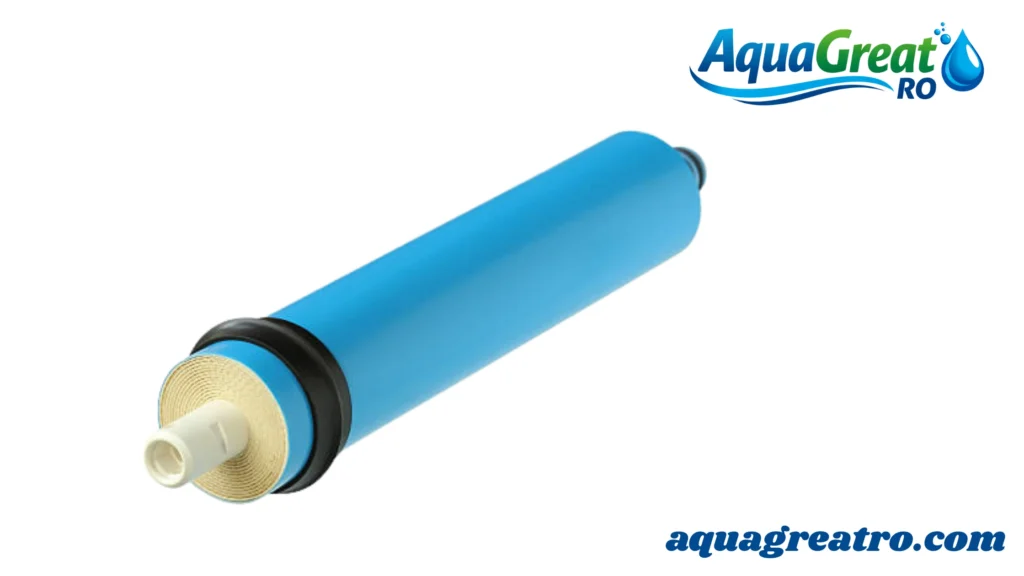
If you’ve been searching for ways to improve your home’s drinking water quality, you’ve probably come across the term “RO membrane filter.” But what exactly is it, and why is everyone talking about it? Let me break it down for you in simple terms that actually make sense.
What is an RO Membrane Filter and Why Should You Care?
An RO membrane filter is the star player in your water purification system. Think of it as an incredibly fine sieve that catches almost everything bad in your water while letting the clean water pass through. When I say fine, I mean really fine – we’re talking about pores so tiny that they can block even dissolved salts and bacteria!
The “RO” stands for reverse osmosis, which is just a fancy way of saying water is pushed through this special filter under pressure. What comes out the other side? Pure, clean drinking water that tastes great and is safe for your entire family.
Understanding Membrane Filtration: The Science Made Simple
Membrane filtration might sound complicated, but it’s actually pretty straightforward. Imagine trying to pour muddy water through a super-fine cloth. The cloth catches the dirt, and cleaner water comes through. That’s essentially what’s happening, except your membrane filter for reverse osmosis works at a microscopic level.
Your water enters the system under pressure, hits the membrane filter for RO, and gets split into two streams. The clean water (we call this permeate) goes to your drinking tap, while the dirty water (concentrate or reject water) gets flushed down the drain. Simple, right?
How Does a Membrane Filter Water Purification System Work?
Let’s walk through what happens when you turn on your RO tap. Your membrane filter water system typically has three to five stages:
Stage 1 – Pre-Filtration: Before water even reaches your precious RO membrane, it goes through pre-filters. These remove larger particles, sediment, and chlorine. This step is crucial because it protects your membrane filter for water treatment from damage and clogging.
Stage 2 – The RO Membrane: Here’s where the magic happens. Water is forced through the semi-permeable membrane under pressure. This membrane catches up to 95-99% of dissolved salts, chemicals, and contaminants.
Stage 3 – Post-Filtration: After the membrane does its job, water often passes through a final carbon filter to polish the taste and remove any lingering odors.
Stage 4 – Storage: Clean water collects in a storage tank, ready whenever you need it.
Membrane Filter for Reverse Osmosis: Types and Specifications
When shopping for a ro membrane filter for reverse osmosis, you’ll encounter different types and capacities. Let me help you understand what you’re looking at.
The PopularRo Membrane Filter 100 GPD
The most common choice for Indian homes is the membrane filter 100 GPD (gallons per day). This means your membrane can produce up to 100 gallons of purified water in 24 hours. For a typical family of 4-6 people, a 100 GPD membrane works perfectly. It’s powerful enough to meet your daily drinking and cooking needs without being overkill.
Some households with lower consumption might opt for 50 GPD or 75 GPD membranes, while larger families might choose 150 GPD systems. The key is matching the capacity to your actual water usage.
Types of Membranes Available
Thin Film Composite (TFC) Membranes: These are the most popular choice for home RO systems. They offer excellent filtration performance and durability. However, they’re sensitive to chlorine, which is why pre-filtration is so important.
Cellulose Triacetate (CTA) Membranes: These can handle chlorinated water better but generally don’t last as long as TFC membranes.
Membrane Filter Price in India: What to Expect
Now let’s talk about everyone’s favorite topic – pricing! The ro membrane filter price in India varies based on brand, capacity, and quality. Here’s what you can typically expect:
Budget Range (₹600 – ₹1,200): Generic or unbranded membranes. These work, but quality and lifespan can be inconsistent.
Mid-Range (₹1,200 – ₹2,500): Reliable branded membranes from reputable manufacturers. This is the sweet spot for most homeowners.
Premium Range (₹2,500 – ₹5,000+): High-end membranes from top brands with superior performance and longer warranties.
Membrane Filter Price Kent and Other Brands
If you’re looking at specific brands, the membrane filter price Kent typically ranges from ₹1,800 to ₹3,500 depending on the model and capacity. Kent is known for quality, so you’re paying for reliability and after-sales service.
The membrane filter Aquaguard falls in a similar price range, usually between ₹1,500 and ₹3,200. Aquaguard membranes are widely available and have good service network support across India.
Other popular brands like Pureit, Livpure, and Blue Star also offer competitive pricing, generally between ₹1,200 and ₹3,000 for their standard membranes.
Pro Tip: Don’t just go for the cheapest option. A quality membrane might cost ₹1,000 more but could last twice as long, saving you money in the long run.
Membrane Filter Housing: The Protective Shell
Your membrane doesn’t work alone – it needs protection. The ro membrane filter housing is the cylindrical case that holds your membrane filter securely in place. Think of it as armor for your membrane.
A good housing serves several purposes. It withstands the water pressure needed for reverse osmosis (typically 40-80 PSI), prevents leaks with proper O-ring seals, and makes membrane replacement easy when the time comes.
When buying a replacement membrane, always check that it’s compatible with your existing housing. Most housings are standardized, but it’s better to be safe than sorry.
Membrane Filter for Water Treatment: What Gets Removed?
You might be wondering, “What exactly is this membrane filter for water treatment removing from my water?” Great question! Here’s the impressive list:
Dissolved Solids: Your membrane removes salts, minerals, and other dissolved substances that make water hard or taste funny. This includes calcium, magnesium, sodium, and potassium.
Heavy Metals: Lead, arsenic, mercury, chromium – these dangerous metals get blocked by your RO membrane filter.
Chemicals: Chlorine, fluoride, pesticides, and industrial chemicals don’t stand a chance.
Microorganisms: Bacteria, viruses, and cysts get filtered out, making your water microbiologically safe.
Other Contaminants: Nitrates, sulfates, and even some radioactive elements get removed.
When to Replace Your RO Membrane Filter
Even the best ro membrane filter doesn’t last forever. Here’s how to know when it’s time for a replacement:
Time-Based Replacement: Most membranes last 2-3 years with regular use. If it’s been that long, consider replacing it even if water seems fine.
Performance Indicators: Is your water tasting different? Is the TDS (Total Dissolved Solids) level creeping up? Is water production slower than usual? These are all signs your membrane might be wearing out.
Visual Inspection: If you open the housing and see visible scaling, discoloration, or damage on the membrane, it’s definitely time for a new one.
I always recommend keeping a spare membrane at home. Water quality isn’t something you want to compromise on, and having a backup means you won’t be without clean water while waiting for a replacement.
Choosing the Right Membrane Filter Water System for Your Home
Selecting the perfect membrane filter water system doesn’t have to be overwhelming. Here’s what you need to consider:
Test Your Water First: Get your water tested to understand what contaminants you’re dealing with. This helps you choose the right system specifications.
Calculate Your Daily Usage: A family of four typically needs 15-20 liters of purified water daily. Choose a membrane capacity accordingly.
Check Your Water Pressure: RO systems need adequate water pressure (typically 40-60 PSI). If your pressure is lower, you might need a booster pump.
Consider Your Budget: Factor in not just the initial cost but also replacement costs for filters and membranes over 2-3 years.
Brand and Service Network: Choose brands with good service networks in your area. The cheapest system is no bargain if you can’t get it serviced.
Maintaining Your Membrane Filter for Reverse Osmosis
Want your membrane to last its full lifespan? Proper maintenance is key, and it’s easier than you think.
Replace Pre-Filters Regularly: Change your sediment and carbon pre-filters every 6-12 months. These protect your expensive RO membrane from damage and clogging.
Annual System Sanitization: Once a year, sanitize your entire RO system to prevent bacterial growth.
Monitor Water Quality: Invest in a TDS meter (they cost just ₹200-500) and check your water monthly. Rising TDS levels are your early warning system.
Professional Servicing: Get an annual service from a qualified technician. They can catch small issues before they become big problems.
Common Problems with Membrane Filters and Solutions
Slow Water Production: Usually caused by clogged pre-filters, low water pressure, or a worn-out membrane. Check and replace filters first, then test pressure.
Bad Taste or Odor: Often indicates exhausted carbon filters or a contaminated membrane. Replace the post-carbon filter first, then the membrane if needed.
Continuous Water Wastage: Could be a faulty check valve or membrane. Get this checked professionally as it can waste a lot of water and increase your bills.
Leaking Housing: Usually an O-ring issue. These rubber seals cost very little but need periodic replacement.
The Environmental and Health Benefits
Using an RO membrane filter isn’t just about better-tasting water – it’s about protecting your health and the environment.
Health Protection: You’re removing contaminants that can cause serious health issues over time. Lead, arsenic, and other heavy metals are particularly dangerous for children.
Plastic Reduction: A family using an RO system can eliminate hundreds of plastic bottles per year. That’s good for your wallet and the planet.
Better Cooking: Your food tastes better when cooked with purified water. Tea, coffee, and soups especially benefit from contaminant-free water.
Is an RO Membrane Filter Right for You?
If you have high TDS water (above 200 ppm), concerns about specific contaminants like fluoride or heavy metals, or simply want the best quality drinking water at home, then yes – an RO system with a quality membrane filter is definitely worth it.
The initial investment of ₹8,000-₹20,000 for a complete system might seem significant, but when you break it down, you’re paying just ₹20-30 per day for unlimited clean water. Compare that to buying bottled water at ₹20 per liter!
Conclusion
Choosing and maintaining an RO membrane filter doesn’t have to be complicated. Focus on getting a quality membrane filter for reverse osmosis from a reputable brand, maintain it properly, and it’ll serve you well for years.
Remember, clean water is not a luxury – it’s a necessity. Your membrane filter for water treatment is working hard every day to protect your family’s health. Treat it right with regular maintenance, and it’ll take care of you.
Whether you’re looking at a membrane filter Aquaguard, checking the membrane filter price Kent offers, or shopping for a standard membrane filter 100 GPD, the most important thing is to buy from authorized dealers and maintain it properly. Your health is worth the investment!
Pingback: How does Water Purifier Work: A Step-by-Step Guide 2026